

Hello every one! Since I covered hair color tags in my last post, I figured I’d follow up with a hair material/effects tag template. It might look a little busy (sorry!), but it should be handy when you just want a quick cheat sheet. (maybe.. or maybe not)
All examples in this post were generated with WAI-illustrious-SDXL v16.0.
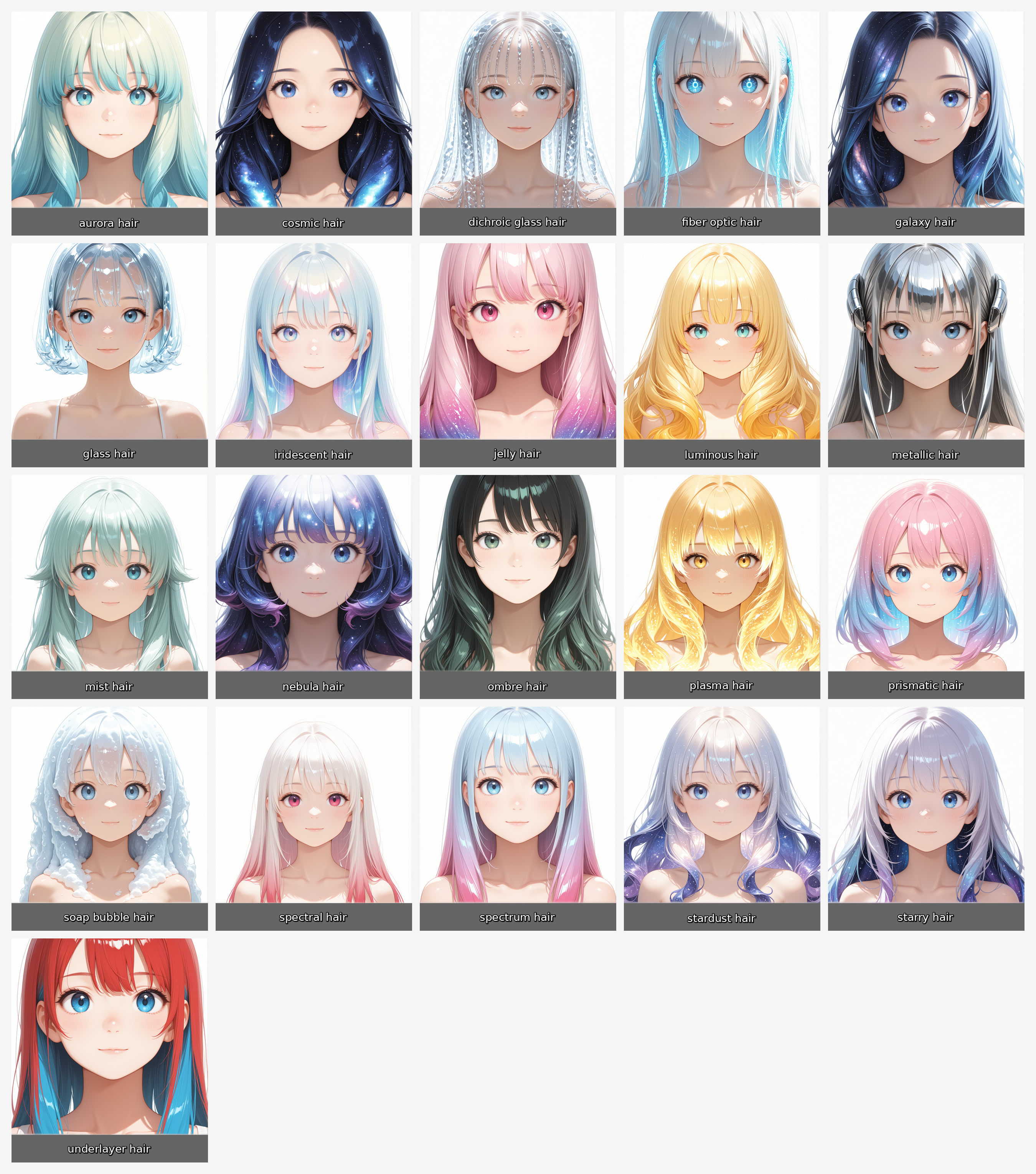
Here’s the updated list for this time.
Hair Material Tag Template (This List)
This template isn’t a “hair color chart”—it’s a quick reference for hair materials, optical effects, and textures.
Think glass/prism/aurora/cosmic patterns/glow effects—stuff you can test fast when you want hair to feel more “material” than “dyed.”
Results can vary depending on the model/checkpoint.
Some terms are closer to descriptive phrases than strict “official tags,” so they may behave inconsistently.
These tend to stabilize when paired with lighting tags like
rim light/backlighting.
Tags that count as color-combo structure (two-tone / gradient)
In this list, the tags that clearly fall into “color-combo structure” are mainly these two:
1) ombre hair
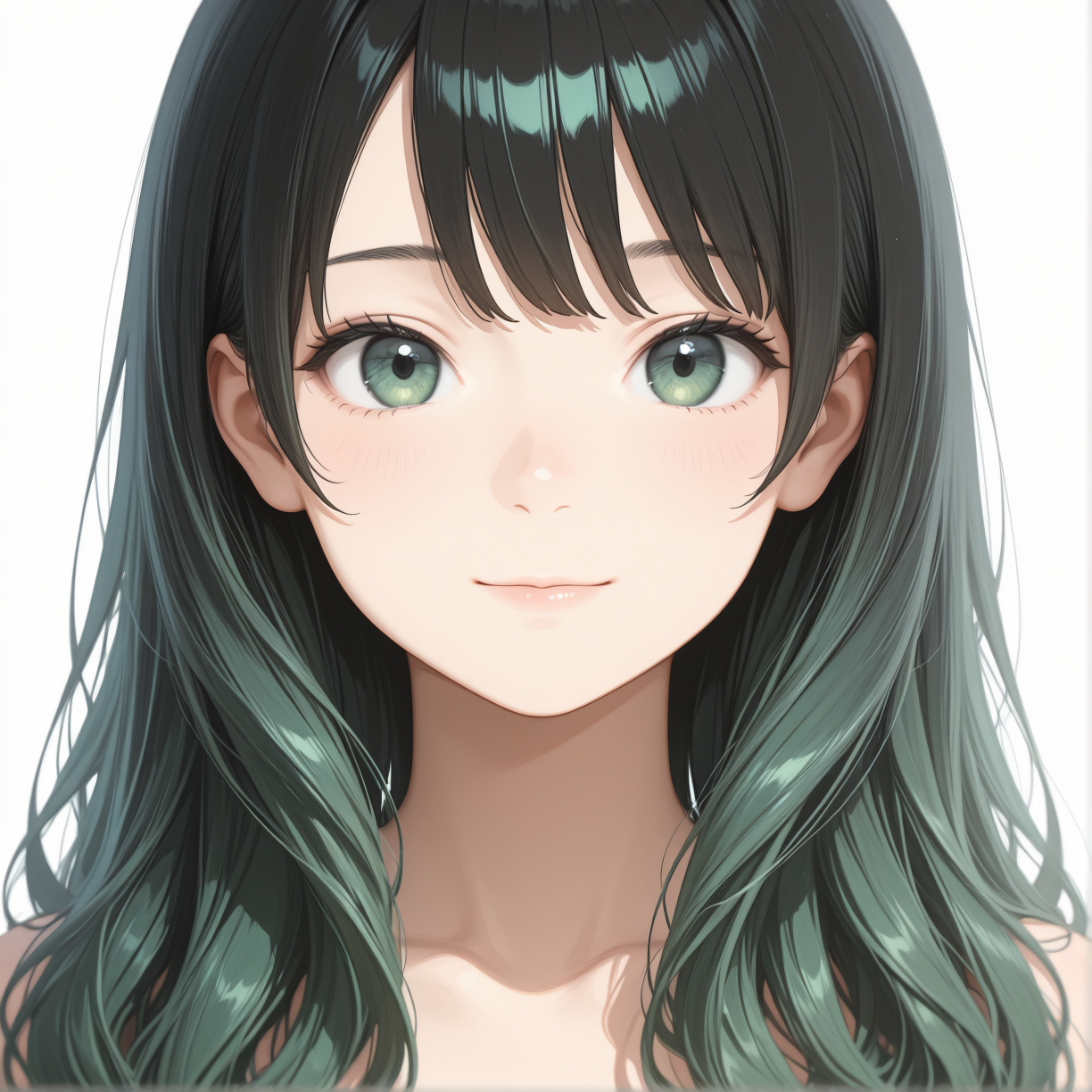
ombre hair is a dye style. It describes a gradient from roots to ends.
It’s usually more consistent if you also specify the direction/region of the gradient.
Helpful additions: dark roots, light ends, colored tips, gradient hair,
example used (black hair,ombre hair,green hair)
2) underlayer hair
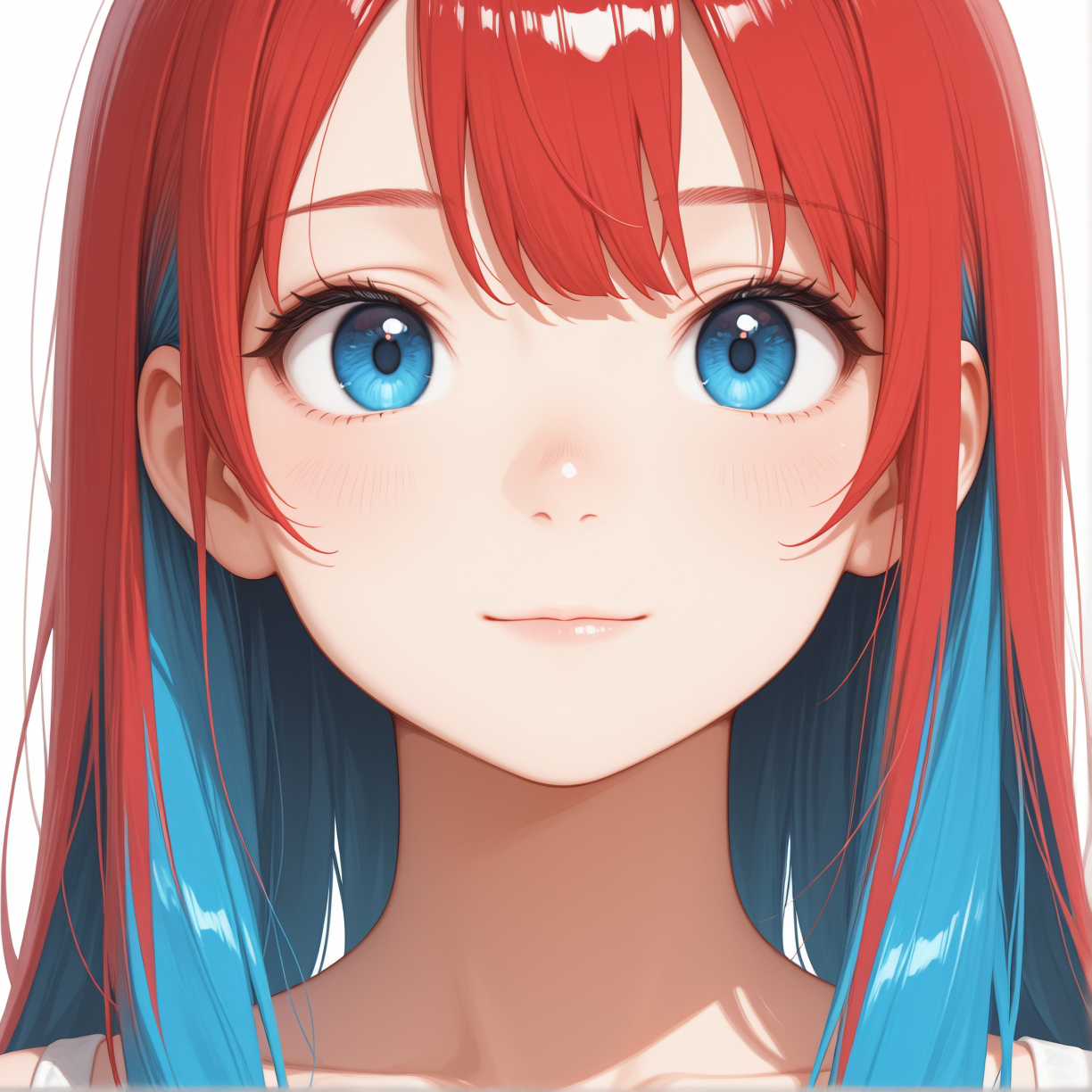
underlayer hair is more of a hair structure/layering tag than a dye style.
It implies there’s a distinct inner layer beneath the outer hair—perfect for applying a separate color/effect only to the “inside.”
example used (red hair,underlayer hair,blue hair)
underlayer hair vs colored inner hair (What’s the difference?)
They look similar, but they target different things:
underlayer hair = inner layer structure
→ First and foremost, it tells the model there’s an actual separate underlayer.
This often helps with clean layer separation.colored inner hair = inner color emphasis
→ This emphasizes that the inner part is a different color, but sometimes it behaves like a generic two-tone effect without clean layering.
Practical use
If you want clear separation: start with
underlayer hair, then add your colors/effects.If the color contrast is the goal: focus on
colored inner hair, supported bytwo-tone hair / gradient hair.
Tag Notes (Full List)
A) Optical / light-interference (aurora / prism vibes)
aurora hair

Soft multi-color blending like aurora gradients. Often strongest with cool/pastel tones.
Pairs well with:gradient hair,iridescent hairiridescent hair

Rainbow-like sheen from light interference. A solid “base” tag for aurora/prism looks.
Pairs well with:prismatic hair,rim lightprismatic hair

A split-spectrum, prism-like sparkle. Works extremely well withiridescent hair.
Pairs well with:iridescent hair,aurora hairspectral hair

A “spectral/spectrum” feel—mystical multi-color light rather than simple dye.
Pairs well with:spectrum hair,prismatic hairspectrum hair
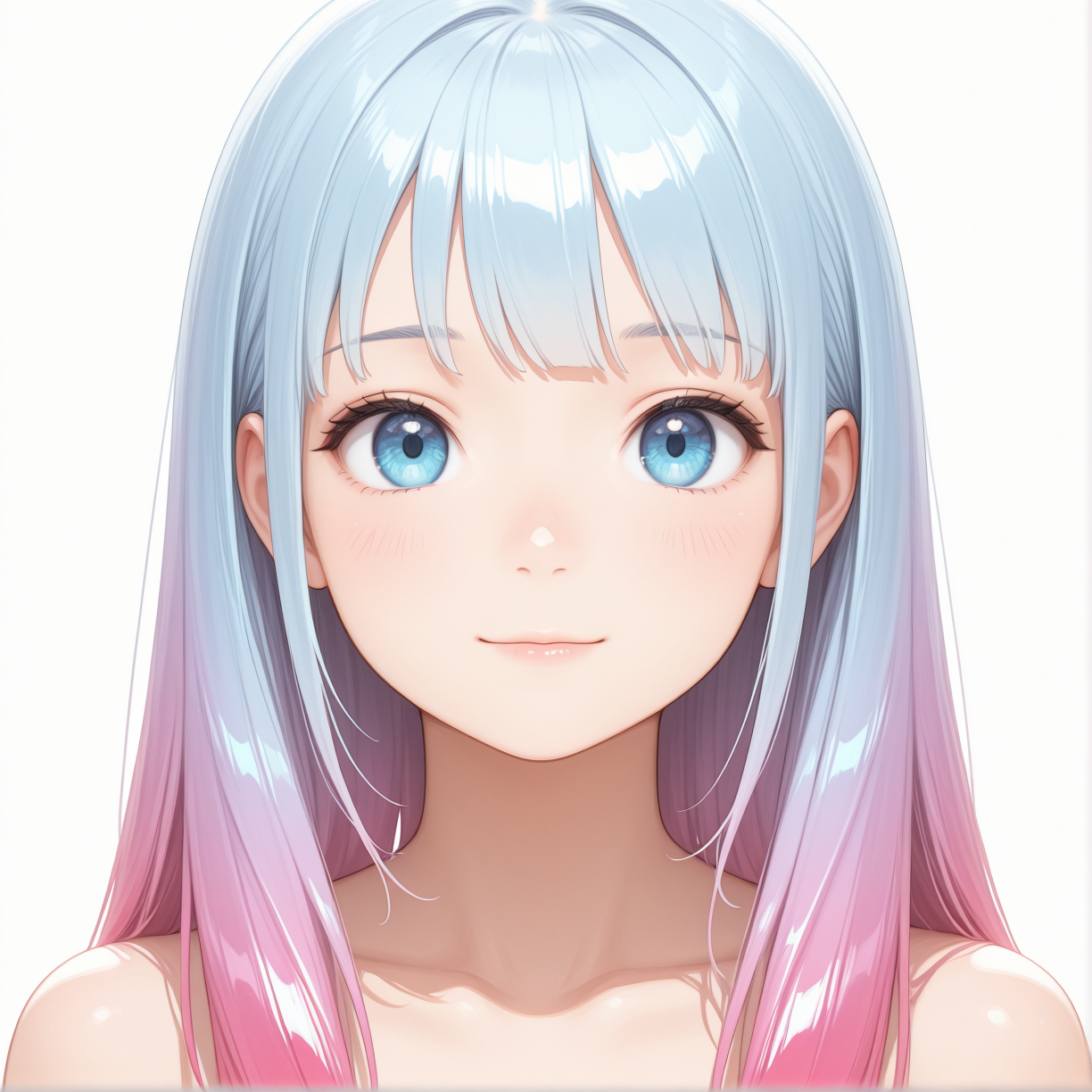
More literal “spectrum” color behavior. Often leans optical rather than pure rainbow dye.
Pairs well with:gradient hair,multicolored hairsoap bubble hair

Thin-film/bubble sheen with soft highlights. When it works, it can resemble oil-slick interference.
Pairs well with: iridescent hair, glossy/lighting support
B) Transparent / glass / jelly material
glass hair
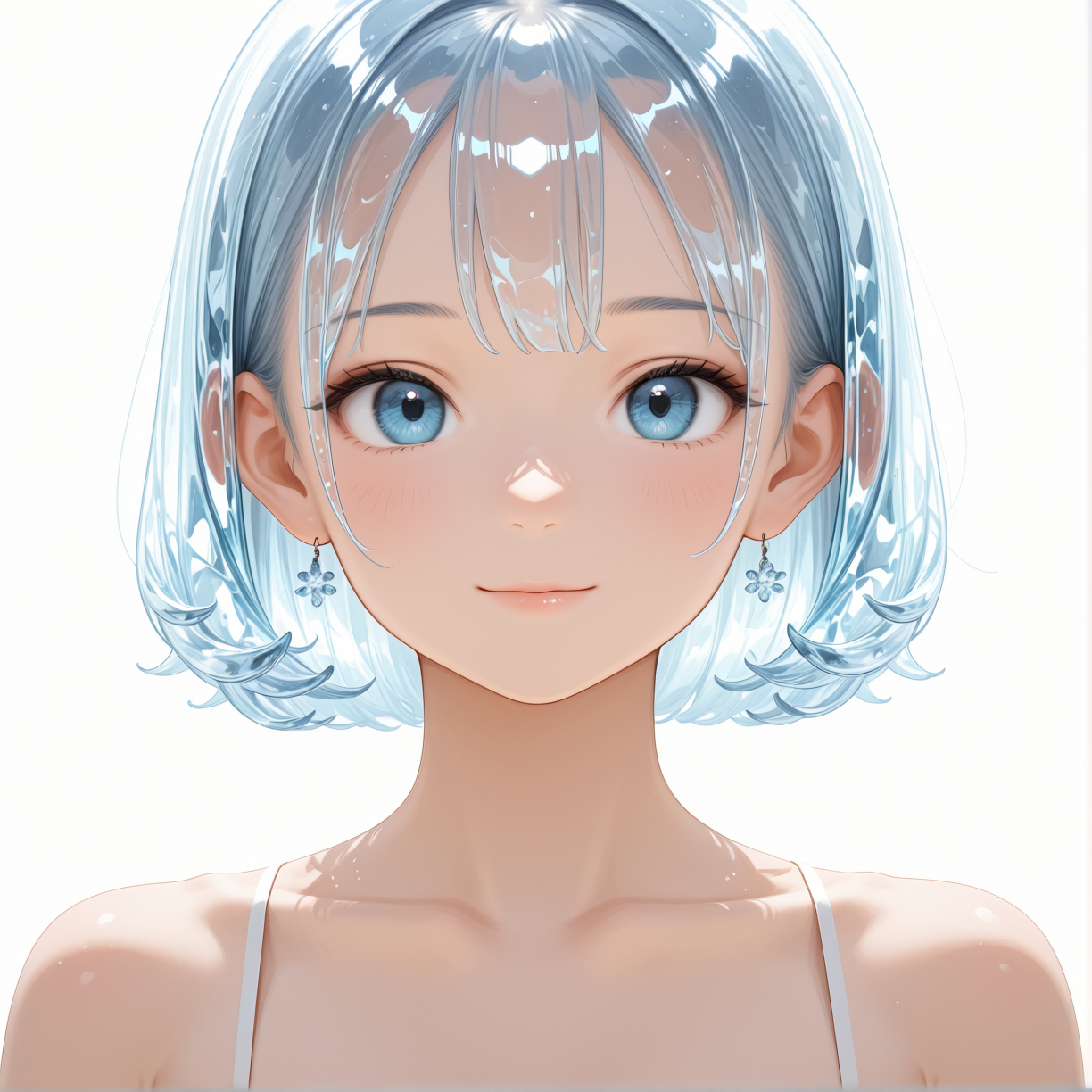
Clear or semi-transparent gloss like glass. Highlights become sharper and colder.
Note: can drift into “plastic” if pushed too hard.dichroic glass hair

Dichroic glass vibes—colors shift depending on angle. Crisp, cold reflections.
Pairs well with:glass hair,prismatic hair,rim lightjelly hair

Thick glossy translucency—soft, bouncy “jelly” texture.
Note: can bloom/bleed into the whole image if overdone.
C) Cosmic textures (pattern-based)
cosmic hair

A general “space/stellar” texture in the hair. Dark base + sparkles adds depth.
Pairs well with:starry hair,galaxy hairgalaxy hair

More direct “galaxy” texture. Often clearer thancosmic hair.
Pairs well with:nebula hair,starry hairnebula hair

Cloudy space-gas texture with stars. Usually more “cloud” than “galaxy stripes.”
Pairs well with:cosmic hair,stardust hairstarry hair

Straightforward starry-night pattern. Can appear more sharply as dots/specks.
Pairs well with:galaxy hair, darker scenesstardust hair

Fine sparkle particles like stardust. Great as a finishing layer over cosmic tags.
Note: too much can look like noise.
D) Glow / energy (strong effects)
luminous hair
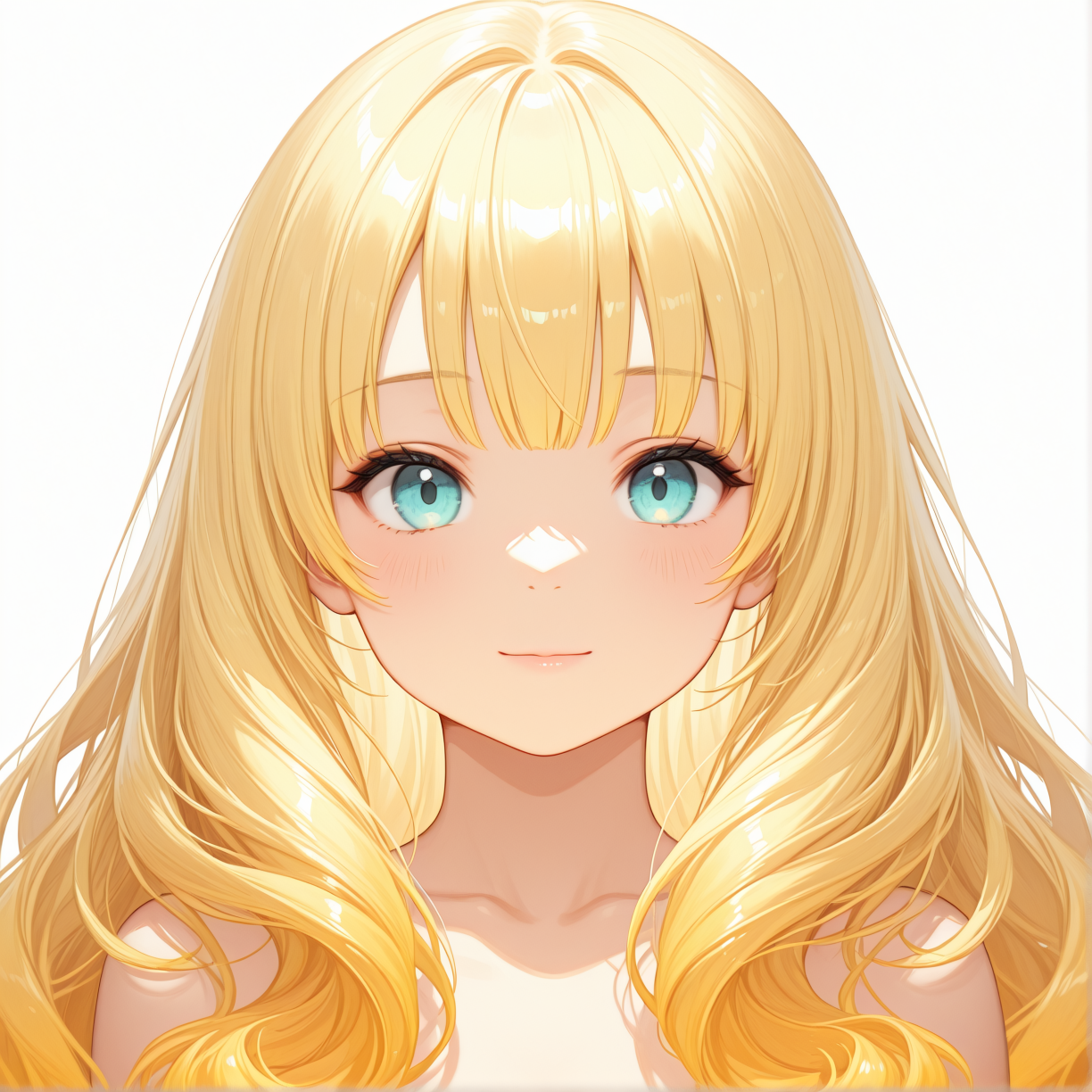
Hair appears self-brightening or radiant. Great for mood, but can wash the image out.
Tip: if it’s too strong, lower it and rely onrim lightinstead.plasma hair

Energy/plasma-like glow. Tends to come out “strong” and dramatic.
Pairs well with:prismatic hair(lightly) + lighting tags for controlfiber optic hair

Fiber-optic vibes—tiny light points/lines embedded in strands.
Note: can turn into generic neon hair unless you guide it with supportive “light strand” phrasing/lighting.
E) Other materials / atmospherics
metallic hair

Hard reflective metallic sheen. Looks great with silver/chrome palettes.
Note: can push the character toward “doll/robot” if it clashes with skin tone.mist hair

Soft, diffused, misty look—good for dreamy/ethereal vibes.
Pairs well with: soft lighting / hazy atmosphericsombre hair

(See above!!) Root-to-tip gradient dye style. Works best when direction/region is specified.
Helpful additions:dark roots,colored tips,gradient hairunderlayer hair

(See above!!) Structural underlayer separation—best for applying effects/colors only to inner hair.
Pairs well with:colored inner hair,two-tone hair